Choosing the right fixtures for modern architectural and residential bathroom designs involves balancing aesthetic elegance, long-term operational durability, and structural safety. Across commercial real estate projects, luxury hotel developments, and high-end residential renovations, selecting a high-grade stainless steel bathroom faucet has increasingly become the preferred standard among professional architects, plumbing consultants, and project contractors. Unlike traditional brass alloys, which frequently rely on multi-layer surface electroplating and can succumb to internal dezincification over prolonged exposure to aggressive municipal water chemistry, medical-grade AISI 304 and AISI 316 stainless steel offer inherent resistance to stress corrosion cracking, pitting, and interior scaling. Technical field audits in coastal resort developments show that conventional plated brass fittings often exhibit micro-flaking, tarnishing, and surface oxidation within 36 to 48 months of intensive everyday use, whereas solid stainless steel fixtures maintain structural integrity and pristine surface aesthetics well past a decade. The high tensile strength of solid stainless steel allows precision engineering of slimmer, sleeker fixture profiles without sacrificing structural stability under fluctuating water pressure environments, making it an extraordinarily reliable solution for high-traffic public and private sanitary environments. Furthermore, the higher material density prevents physical denting, structural warping, and thread stripping during heavy installation routines or routine pipe maintenance.
From a public health, ecological safety, and chemical compliance perspective, material purity in potable water delivery systems remains paramount for commercial facility operators and private homeowners alike. Global regulatory frameworks such as NSF/ANSI 61 and California AB1953 enforce rigorous lead-leaching thresholds that challenge traditional brass manufacturing, where trace amounts of lead are historically added to improve alloy machinability, casting fluidity, and overall thermal processing. Installing modern lead-free plumbing fixtures completely eliminates this structural vulnerability, as premium stainless steel alloys are natively 100% lead-free without requiring complex chemical additions or artificial inner lining treatments. Furthermore, because stainless steel does not require toxic electroplating baths containing hexavalent chromium or chemical nickel solutions during factory finishing, the manufacturing process drastically reduces hazardous environmental waste generation and wastewater treatment burdens. Metallurgical analysis confirms that the high chromium content within stainless steel forms an invisible, self-healing passive oxide film upon exposure to ambient oxygen. If scratched or scuffed during heavy daily operation, this chromium oxide layer regenerates spontaneously, continuously blocking bacterial adhesion, limescale buildup, and preventing heavy metal ions from leaching into domestic drinking water supplies over decades of continuous service.
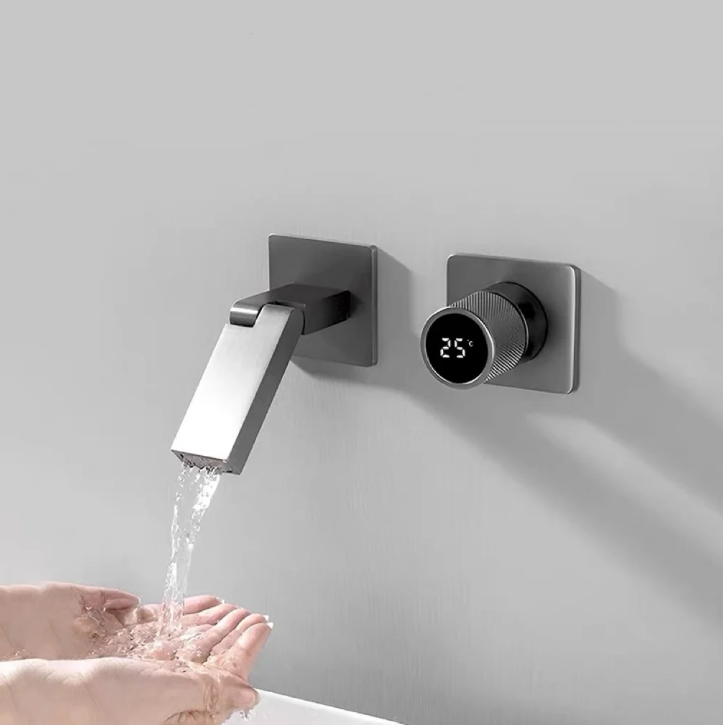
Maintenance requirements and long-term aesthetic retention represent significant factors in overall facility operational budgets, janitorial staffing efficiency, and daily maintenance workflows. Facilities management data from commercial office complexes and boutique hospitality chains indicate that daily cleaning protocols for electroplated chrome or painted fixtures consume extensive labor and specialized acid-based descaling chemicals to combat hard water staining, soap scum, and fingerprint accumulation. Conversely, integrating a premium stainless steel bathroom faucet provides a fine mechanical brushed surface finish that naturally disperses light, effectively concealing water spots, mineral deposits, and daily handling residue. For modern interior architectural designs requiring customized color palettes such as matte black, warm brass, or gunmetal gray, advanced Physical Vapor Deposition (PVD) technology applies ultra-thin, titanium-nitride ceramic coatings directly onto the stainless steel core. This atomic bond yields a surface hardness exceeding 2000 Vickers, significantly surpassing conventional electroplated surfaces. Consequently, housekeeping teams achieve pristine surface sanitation using simple neutral detergents rather than harsh abrasive compounds, protecting internal O-rings, rubber washers, and ceramic disc cartridge seals from premature chemical degradation and structural failure.
Evaluating bathroom hardware through a comprehensive Life Cycle Cost Assessment (LCCA) framework clearly demonstrates the economic justification for specifying premium raw materials in both private residences and commercial developments. While initial procurement costs for solid stainless steel fixtures may carry a modest upfront premium over cast zinc alloys or lower-grade brass alternatives, the total cost of ownership over a ten-year operational period drops dramatically. Frequent replacement cycles, plumber call-out fees, surface re-finishing, and emergency leak remediation associated with inferior fixtures quickly erode initial procurement savings. Furthermore, sustainability initiatives in modern green building certifications like LEED and BREEAM strongly favor fully recyclable construction materials. Stainless steel is 100% recyclable without any loss of structural quality or material degradation, allowing decommissioned hardware to re-enter industrial manufacturing loops effortlessly. By integrating precision water-saving ceramic disc cartridges and pressure-compensating aerators, a well-engineered stainless steel bathroom faucet optimizes water flow rates down to 1.2 gallons per minute without compromising user comfort, water pressure perception, or spray pattern consistency, contributing directly to long-term utility savings and environmental conservation goals.
Delivering high-caliber plumbing solutions requires advanced manufacturing engineering, uncompromising raw material verification, and strict quality control processes across every single production stage. Modern automated CNC machining centers ensure exact tolerances down to the micron level, guaranteeing perfect alignment for ceramic disc valves, internal water channels, aerators, and thread connections. As global distributors, commercial procurement managers, and OEM/ODM partners seek dependable manufacturing partners, industry leaders like Wenzhou Yiya combine advanced engineering expertise with comprehensive global supply chain capabilities. Operating robust automated production pipelines, strict hydrostatic pressure-testing protocols, and standardized quality assurance systems, Wenzhou Yiya delivers a diverse catalog of durable, modern plumbing fixtures engineered to satisfy stringent international standards. Choosing premium sanitaryware products backed by proven manufacturing excellence ensures exceptional long-term reliability, seamless project execution, and lasting commercial value for global sanitaryware distribution networks and commercial development projects worldwide.
Beyond fundamental manufacturing excellence, aligning with experienced production specialists ensures comprehensive customized OEM and ODM capabilities tailored to international market requirements. Custom laser etching for corporate branding, specialized dimension adjustments for specific basin mounting configurations, and regional water efficiency certifications demand agile engineering support and reliable material sourcing. By utilizing high-grade stainless steel across primary product lines, export suppliers streamline international compliance processes, ensuring that sanitary products effortlessly fulfill European CE, North American cUPC, and Australian WaterMark standards. This regulatory flexibility allows commercial buyers and distribution chains to accelerate time-to-market while guaranteeing uncompromised product quality across diverse climate zones and municipal plumbing infrastructure. Ultimately, investing in precision-engineered hardware establishes a foundation of trust, aesthetic elegance, and superior functional performance that elevates commercial and residential bath environments for years to come.
 EN


